|
Eager Space | Videos by Alpha | Videos by Date | All Video Text | Support | Community | About |
|---|
Welcome to Eager Space...
There is a common belief that starship is going to become operational and execute a clean sweep, scaring both falcon 9 and falcon heavy off the launch pad.
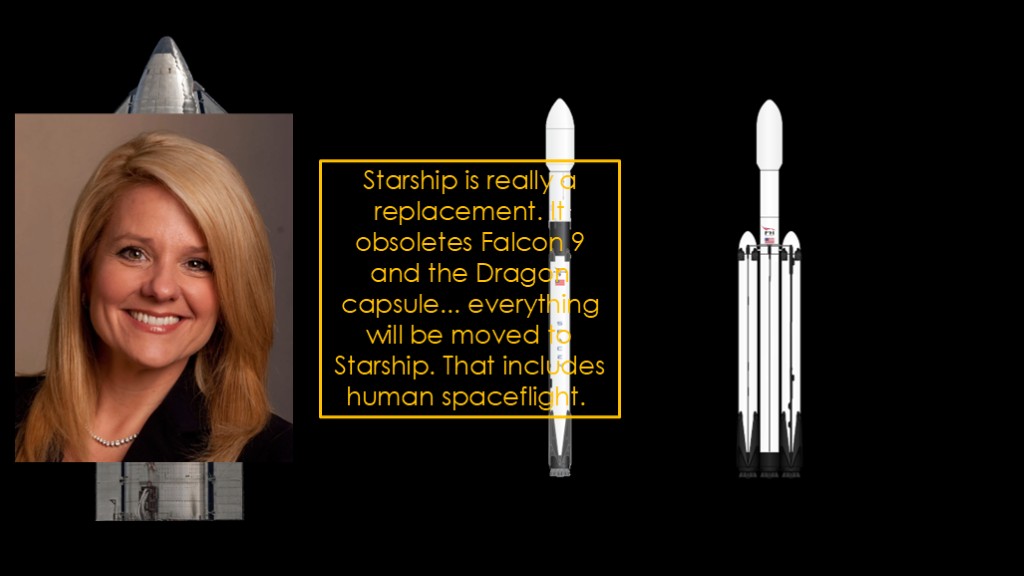
In fact, SpaceX president Gwynne Shotwell said...
(read)
That seems pretty straightforward.
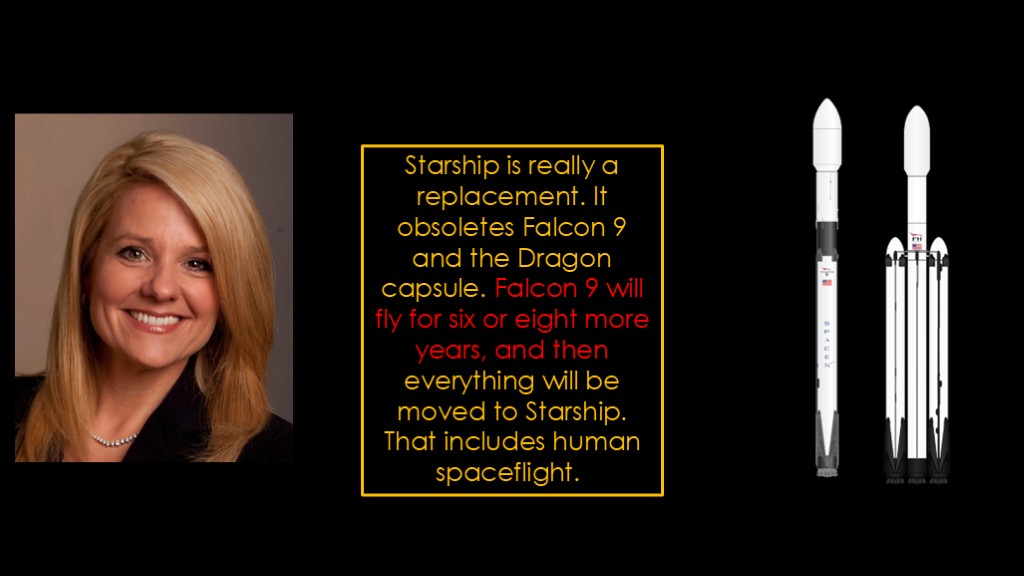
Except that's not everything she said.
She actually said that Falcon 9 will fly for six or eight more years, and then everything will be moved to starship.
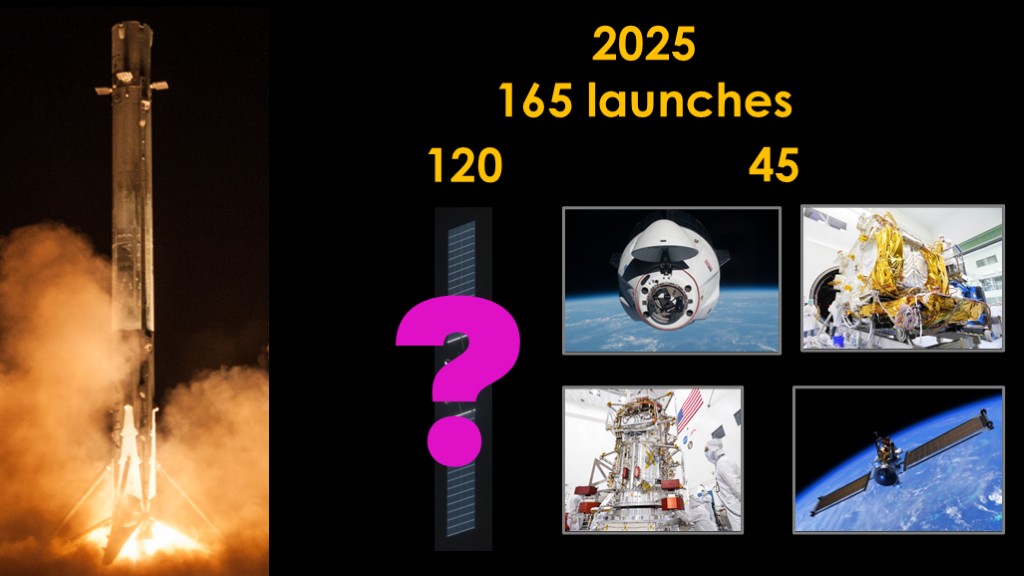
SpaceX has put a lot of work into optimizing Falcon 9, and they flew 165 launches in 2025 from 3 different launch pads.
The big driver for the launch rate is starlink, which had about 120 launches in 2025. That leaves about 45 launches of other payloads...
We expect that as soon as starship is flying regularly, it's going to take over all the starlink launches, leaving SpaceX with the capability of launching 100 more times a year than their non-starlink launch rate.
How might they utilize that capability?
Starting with Dragon.
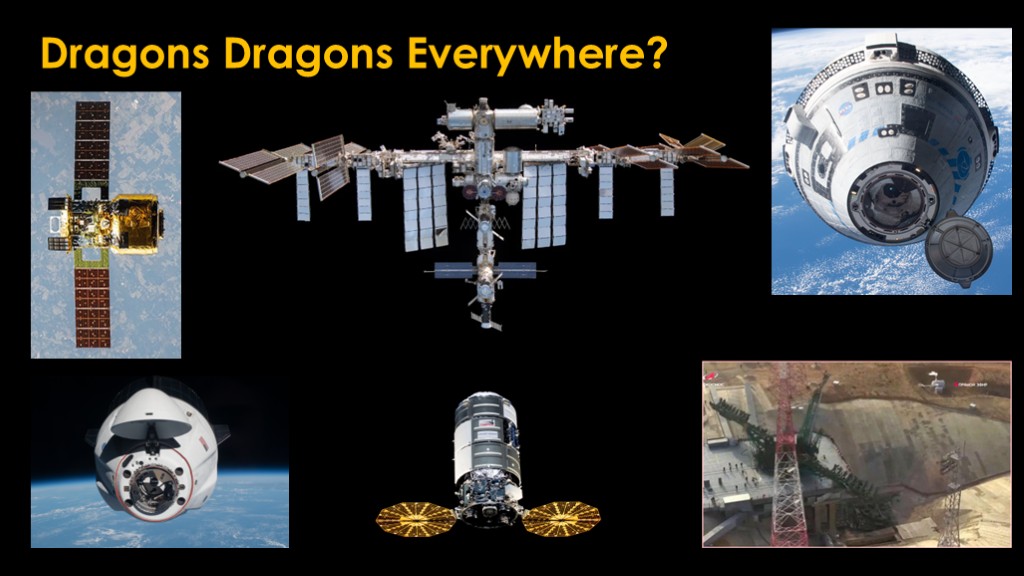
Falcon 9 launches crew dragon, cargo dragon, and is currently launching the Cygnus resupply craft as well. It is the only US launcher for ISS payloads.
That might change in the future - after one more Falcon 9 flight, Cygnus is scheduled to start flying on the new Antares 330 vehicle in 2026. An improved Starliner is also scheduled for an uncrewed cargo mission in April of 2026, and that might lead to future crewed flights.
Outside of the US, Japan's HTV resupply vehicle is grounded after a failure of the H3 rocket in December of 2025.
And the Soyuz launch pad at Baikonur was damaged in late November, so there are no Soyuz or Progress vehicles flying to ISS right now.
That leaves Crew Dragon as the only way to carry astronauts and cosmonauts to the station and back home.
The ISS is currently scheduled until 2030 and Dragon is its primary US vehicle. It *is*, however, a very pricey bird to fly and therefore likely won't see a big increase in demand to fly to ISS other than the fallout of whatever happens with Soyuz and Progress.
Could there be other business?
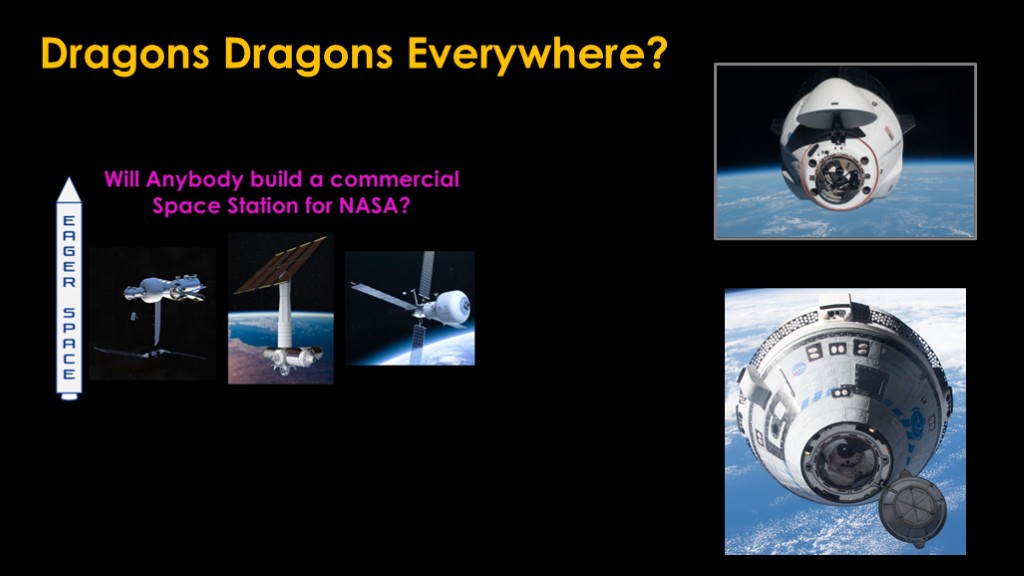
Will any of the proposed commercial space stations show up and will they be successful? I talk about the challenges in this video, and I'm skeptical.
But if you want a station for humans, you need a way to get there, and Crew Dragon has the market cornered. Maybe the starliner redesign works out, but there are only a few Atlas V rockets allocated to it. You could invest the money crew-rating Vulcan, or you could just fly Starliner on Falcon 9, which is already crew rated.
Except why would you do that if you could just fly on Dragon...
Dragon is probably the Falcon 9 payload that flies the longest because there is no replacement for it.
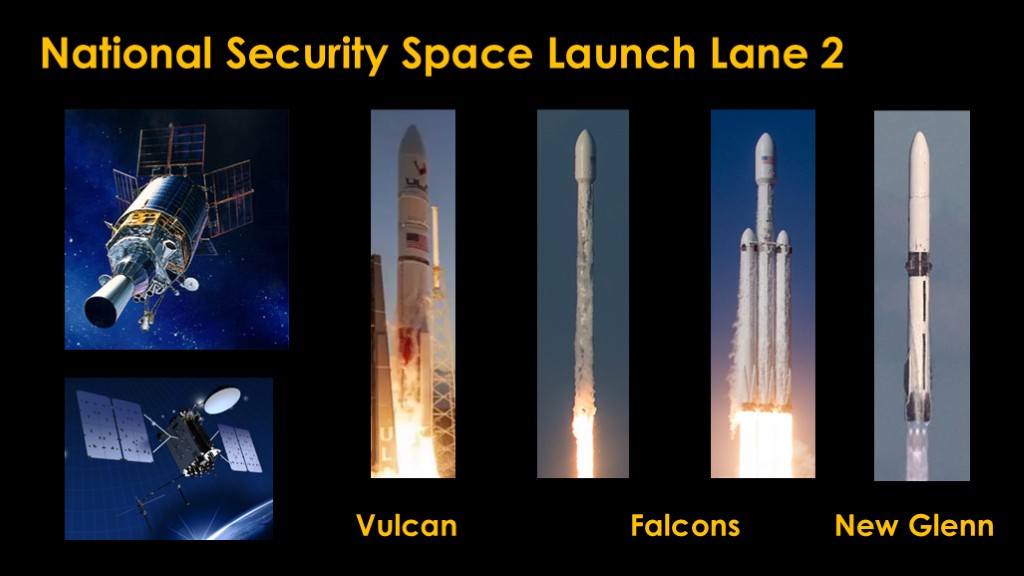
National Security Space Launch is broken into two lanes, and lane 2 is the classic one.
It includes all the high value government satellites, including remote sensing, communications, and GPS satellites.
There are new awards every 5 years. The current phase 3 awards give 28 launches to the Falcons, 19 launches to Vulcan, and 7 launches to New Glenn after it has been certified. This is a significant increase from the number of launches in the previous phase.
This is a solid market through the end of the decade and it's not clear if the department of defense is going to want to switch over to Starship because the Falcons have been very reliable. Or perhaps SpaceX will bid both Falcons and Starship.
This is another long-term market for the Falcons.
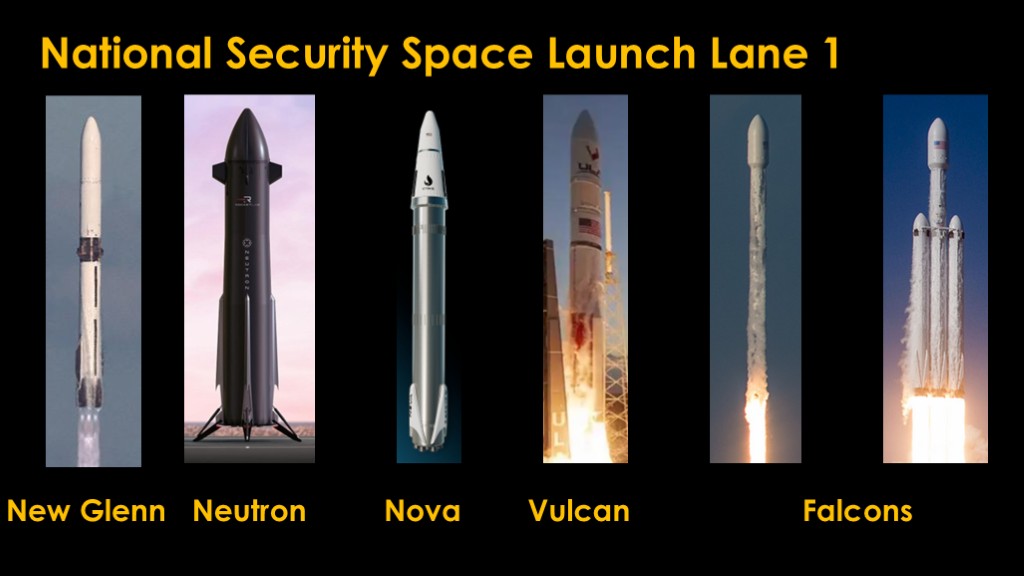
NSSL lane 1 uses a commodity launch approach with open competition.
We don't know how many launches will be in lane 1 but the new space force architectures favor multiple cheaper satellites and if golden dome happens, it could be a lot.
The Falcons can grab a lot of these. It's going to depend on how the space force balances price and schedule versus fostering new launch vehicles.
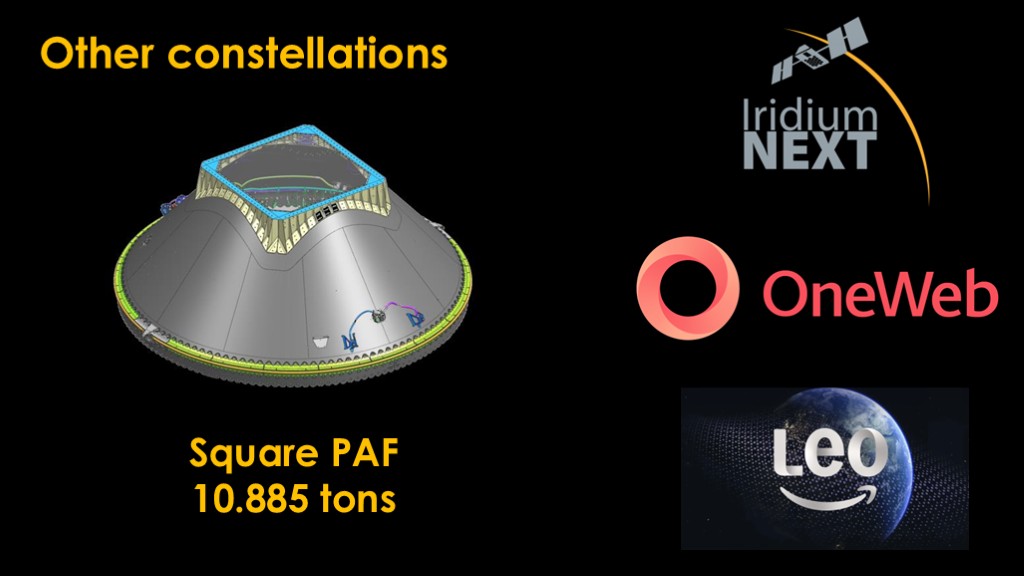
Despite having their own constellation, SpaceX has always stated that they are happy to launch satellites for other constellations, and have done so for Iridium NEXT and oneweb. They also did 3 launches of amazon leo - in response to a shareholder lawsuit - and it's possible they could launch more.
They think it's important enough to have designed a payload attachment fitting - the part that connects the second stage to the satellites - specifically for constellations, to reduce the amount of work the satellite designers need to do.
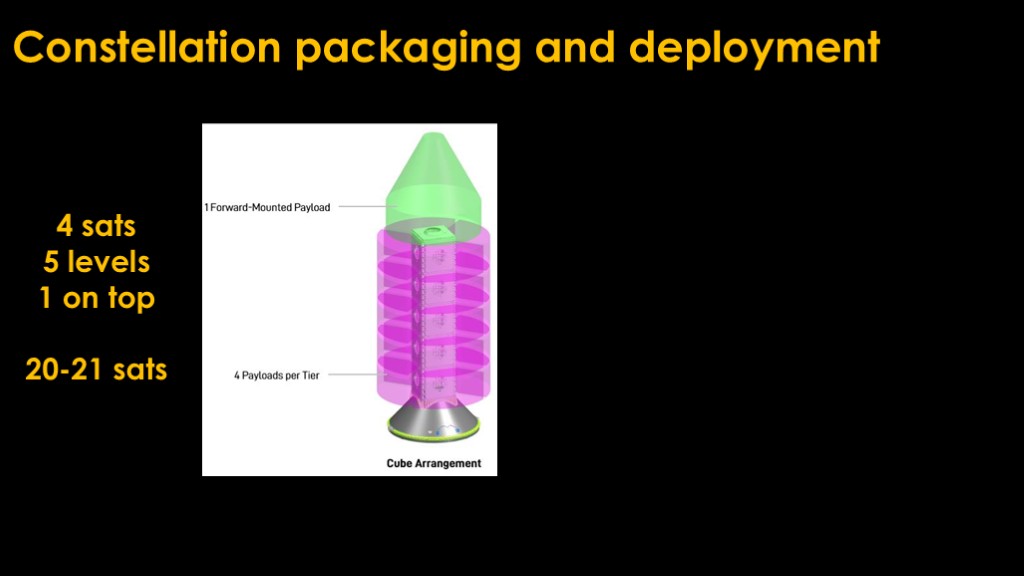
They support two satellite configurations.
For larger satellites, the cube arrangement uses 4 satellites per level and up to 5 levels, with an optional one on top for a maximum of 21 satellites.
If your satellites are smaller, there's a configuration with 8 satellites per level and an optional one on top to give up to 41 satellites per launch.
If the most successful constellation launcher ever is not launching starlink satellites, it would be a great fit for other constellations.
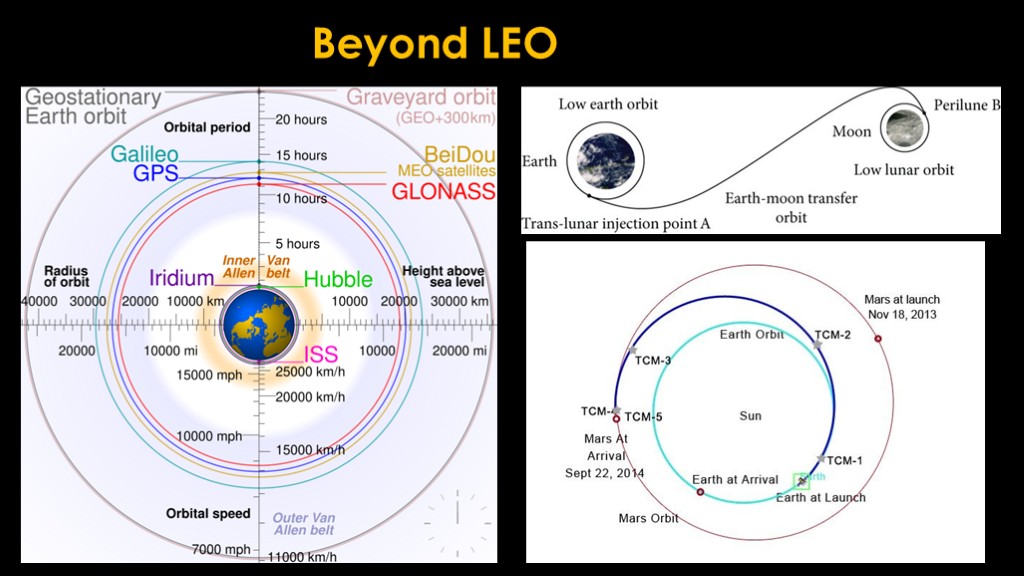
There are also missions beyond low earth orbit, to higher orbits or to the moon or beyond.
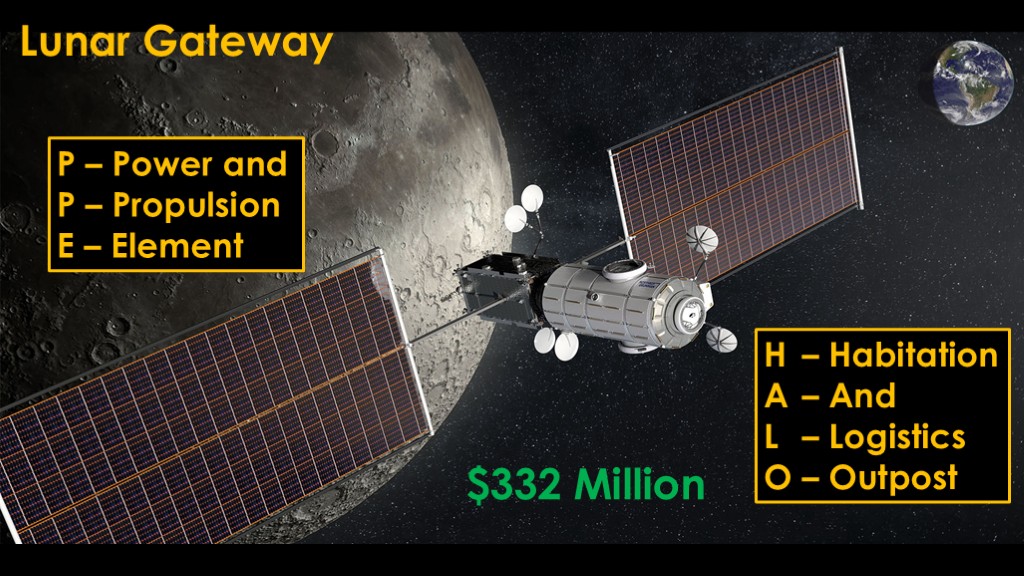
Falcon Heavy is scheduled to launch the first two modules of NASA's lunar gateway space station in 2027.
There's the power and propulsion element, or PPE, and the habitation and logistics outpost, or HALO.
SpaceX will receive $332 million for the launch, nearly double the $178 million that SpaceX got for launching Europa Clipper. This is a very lucrative contract.
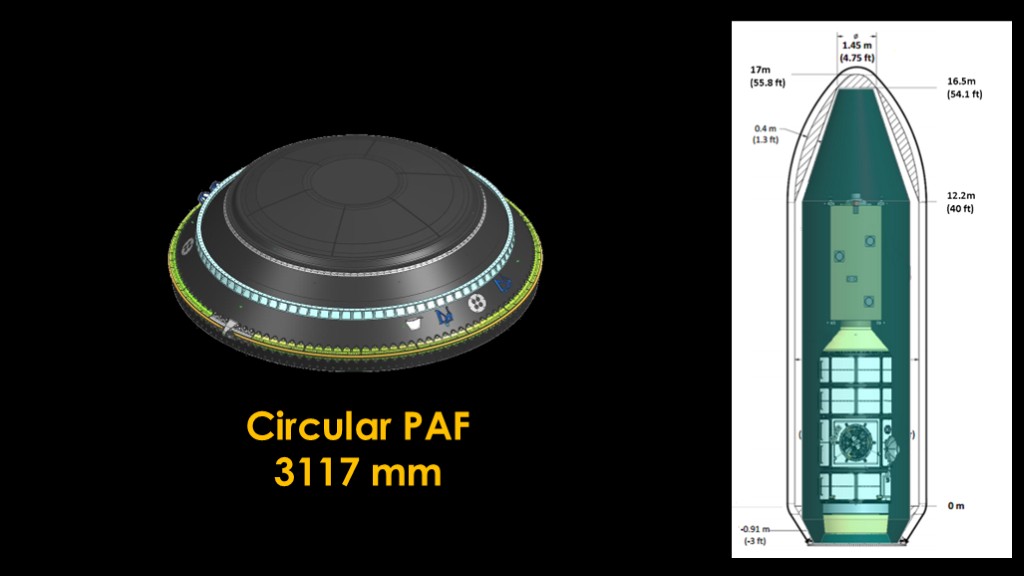
The gateway launch likely uses this new payload attach fitting, and it will use the new Falcon Extended fairing, which is roughly double the length of the standard fairing. Part of the contract money might pay for development of the new PAF and the extended fairing, and it might also include strengthening to deal with the height of the two modules.
That new extended fairing might be used for NSSL payloads.
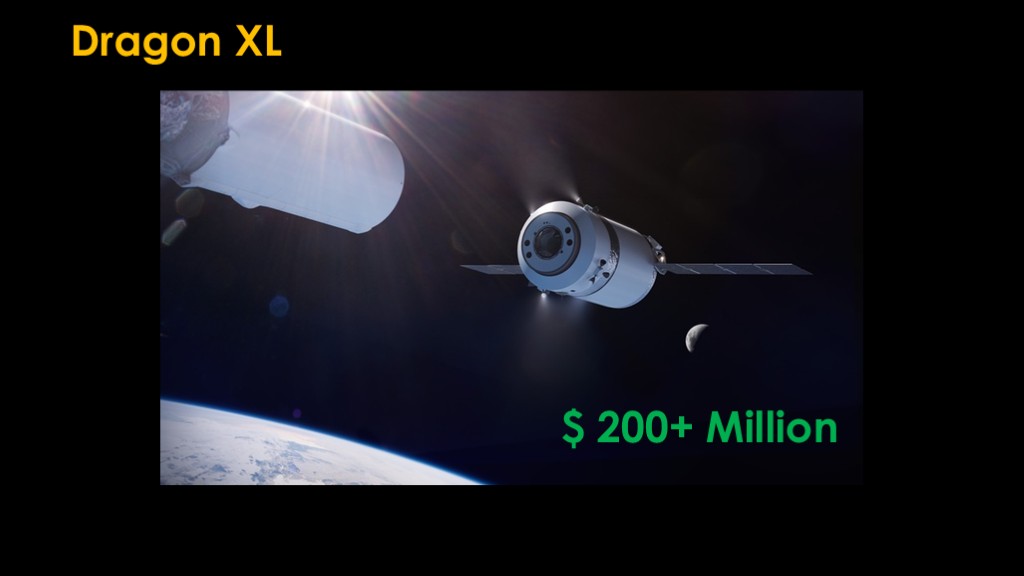
SpaceX has a contract to launch resupply missions to Gateway using their Dragon XL vehicle, launched on Falcon Heavy.
There has been very little mention of Dragon XL since the contract was awarded back in 2020, but if it ever flies it is likely at least $200 million per mission.
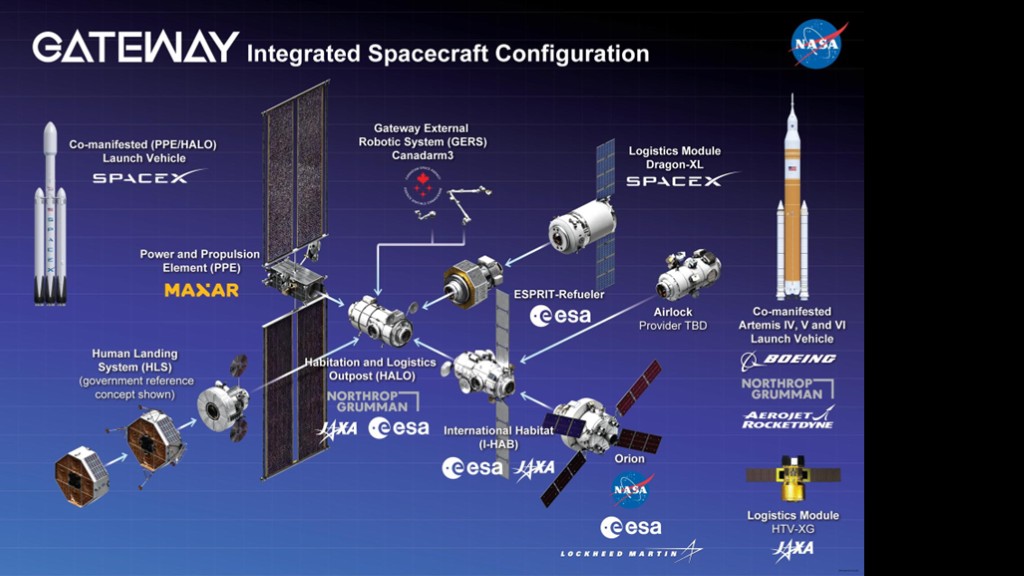
And it's possible that they might end up being the launcher for other gateway modules.
That's assuming gateway actually happens - NASA is under significant budget pressure and the political environment is weird.
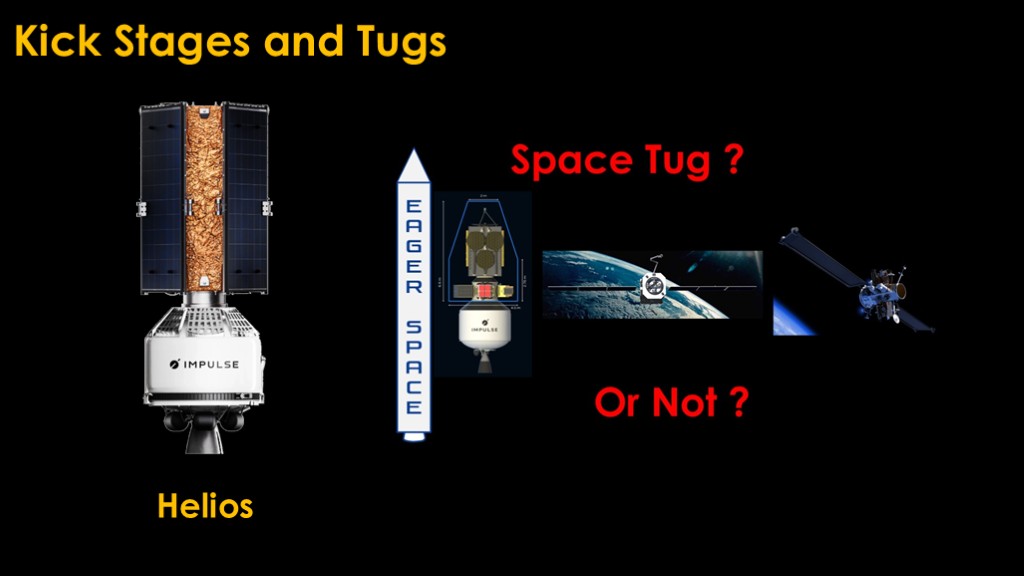
Impulse space has a kick stage named Helios that can fly on Falcons, and that is going to expand the capability of the Falcons to fly to higher energy orbits.
There might be space tugs to launch as well, though that market is not well defined as it's not exactly clear what problem space tug companies are trying to solve.
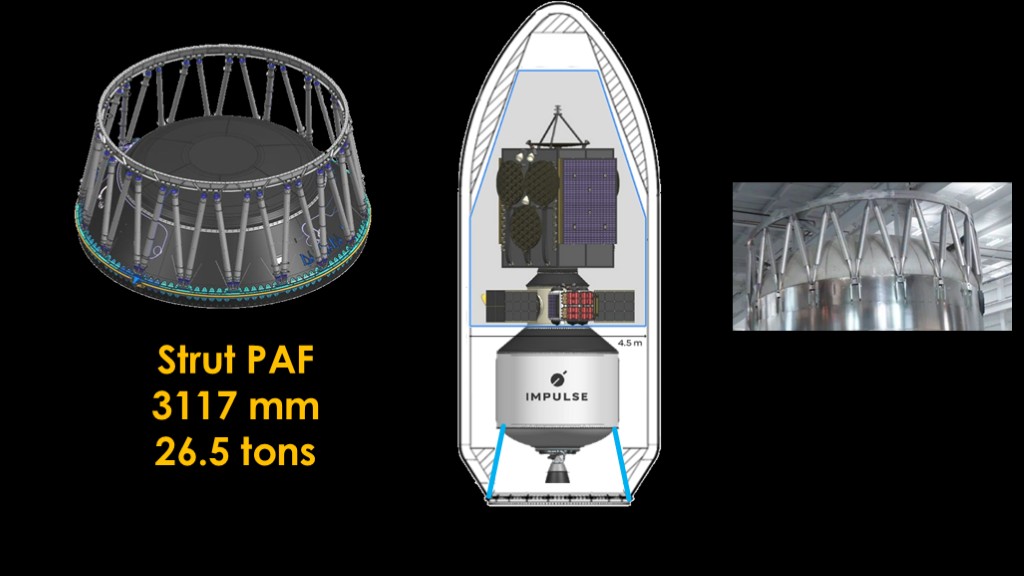
SpaceX has built a new payload attachment fitting for Helios to use.
It has a strut-based design that resembles the hot stage ring design for super heavy boosters, and - as far as I can tell - is exactly the right size to work with the Helios kick stage, as you can see from this drawing where I added the strut ring in blue.
There is something else notable about this PAF.
It is rated to support up to 26.5 tons, which is 7 tons greater than the maximum capacity listed for any other PAFs, and that will give Helios a lot of capability if it is flying on Falcon Heavy.
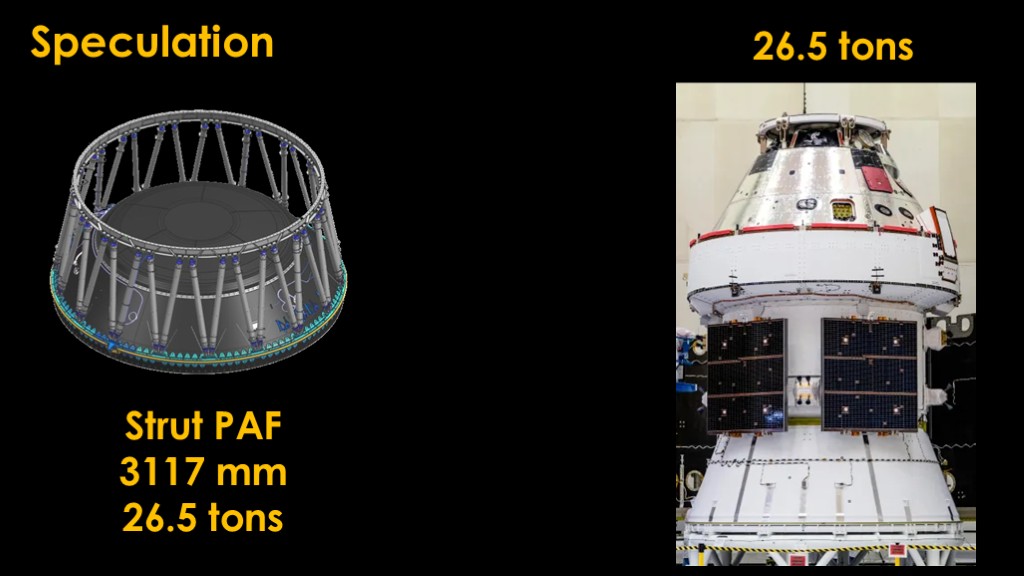
And finally, some pure speculation.
That 26.5 ton capacity caught my eye...
You know what else has a mass of 26.5 tons?
No, you didn't see that...
In summary, Falcons 9 and Heavy are cash cows.
SpaceX has invested a large amount of capital into developing them and - more importantly - figuring out how to operate them cheaply at a very high launch rate, and they are the market leaders and not by just a little bit - they currently have no real competition.
They would be absolute idiots to throw away that advantage too early - they should be riding it for as long as they can.

That's all for this video.
Today's song is Steve Miller's Fly Like an Eagle from the quadruple platinum 1976 album of the same name.
Tick tock tick doot doot do do
https://www.youtube.com/watch?v=WuXwSyahgW4